
Esophageal Cancer
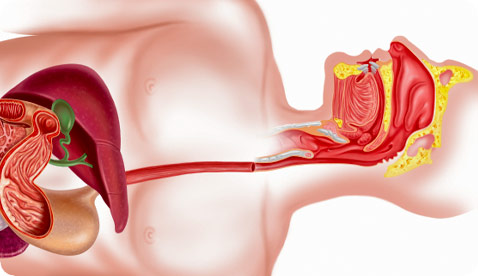
Esophageal cancer is cancer that occurs in the esophagus — a long, hollow, muscular tube that connects your throat to your stomach.
OncologyOverview
Esophageal cancer is cancer that occurs in the esophagus — a long, hollow, muscular tube that connects your throat to your stomach. It carries food and liquid that you swallow to your stomach to be digested.
Esophageal cancer usually begins in the cells that line the inside of the esophagus. Esophageal cancer can occur anywhere along the esophagus, but in people in the United States, it occurs most often in the lower portion of the esophagus. More men than women get esophageal cancer.The most common types of esophageal cancer are squamous cell carcinoma and adenocarcinoma. Squamous cell carcinoma begins in flat cells lining the esophagus. Adenocarcinoma begins in cells that make and release mucus and other fluids. Smoking and heavy alcohol use increase the risk of esophageal squamous cell carcinoma. Gastroesophageal reflux disease and Barrett esophagus may increase the risk of esophageal adenocarcinoma.
Esophageal cancer is not common in the United States. In other areas of the world, such as Asia and parts of Africa, esophageal cancer is much more common.
Esophageal cancer is often diagnosed at an advanced stage because there are no early signs or symptoms. Your doctor uses imaging tests and a biopsy to diagnose esophageal cancer. Treatments include surgery, radiation, and chemotherapy. You might also need nutritional support, since the cancer or treatment may make it hard to swallow.
Symptoms
- Difficulty swallowing (dysphagia)
- Weight loss without trying
- Chest pain, pressure, or burning
- Worsening indigestion or heartburn
- Coughing or hoarseness
Causes & risk factors
It is not clear what causes esophageal cancer. Esophageal cancer occurs when cells in your esophagus develop errors (mutations) in their DNA. The errors make cells grow and divide out of control. The accumulating abnormal cells form a tumor in the esophagus that can grow to invade nearby structures and spread to other parts of the body.
Risk factors for developing esophageal cancer include:
- Smoking
- Heavy alcohol drinking
- Obesity
- Eating a diet high in processed meat
- Consuming few fruits and vegetables
- Gastroesophageal reflux disease
- Barrett’s esophagus
- Drinking very hot liquids
- Advanced age
- Receiving radiation treatments to the chest or upper abdomen
When to get help
See your doctor for trouble or pain when swallowing, unexplained weight loss, worsening heartburn, or coughing or hoarseness that lasts. Early evaluation of swallowing problems improves outcomes.
Related health news
 Features
Esophageal Cancer on the Rise. Why?
Esophageal cancer trends not totally understood
 Health News
Managing to Avoid Esophageal Cancer
Barrett esophagus management guidelines discussed
 Natural
Esophageal Cancer is Allergic to Strawberries
Pre cancerous lesions respond to strawberries
All information on this site is provided “as-is” for informational purposes only and is not a substitute for medical advice or treatment. You should consult with a medical professional if you have any questions about your health.