
Ebola Hemorrhagic Fever
Ebola virus disease is a viral disease that occurs primarily in remote villages in Central and West Africa, near tropical rain forests.
Infectious diseaseOverview
Ebola virus disease is a viral disease that occurs primarily in remote villages in Central and West Africa, near tropical rain forests. It is passed to humans from infected animals and animal materials, and spread between humans by close contact with infected body fluids or through infected needles in the hospital.
Symptoms commonly appear 8-10 days after exposure to Ebola virus. Some early symptoms of Ebola include: fever, headache, nausea, and diarrhea.
Ebola is caused by infection with a virus of the family Filoviridae, genus Ebolavirus. There are five different subspecies of this virus and four of them cause disease in humans. Researchers believe the natural hosts of the virus are animals, most likely bats. When an infection does occur in humans, the virus can be transmitted to others by direct contact with the blood or secretions of an infected person, and exposure to objects (such as needles) that have been contaminated with infected secretions.
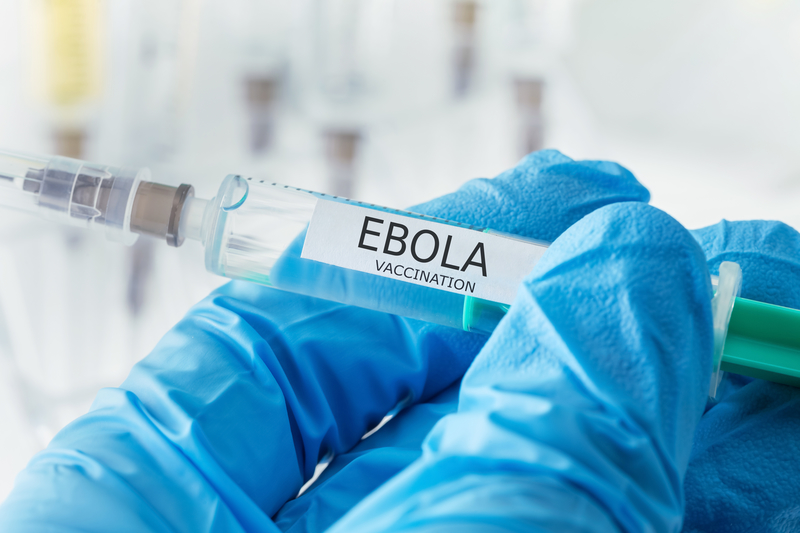
Currently, there is no known cure for Ebola. Standard treatment for Ebola is still limited to supportive therapy which includes balancing the patients fluids and electrolytes, maintaining oxygen status and blood pressure, treating any complicating infections, and transfusion of platelets or fresh blood. A Vaccine for Ebola virus is being tested.
Symptoms
- Fever
- Headache
- Chills
- Joint and muscle aches
- Backache (low-back pain)
- Weakness
- Nausea
- Diarrhea
- Vomiting
- Sore throat
- Stomach pain
- Lack of appetite
- A Rash
- Red Eyes
- Hiccups
- Cough
- Chest pain
- Difficulty breathing
- Difficulty swallowing
- Bleeding inside and outside of the body
Causes & risk factors
Ebola is caused by infection with a virus of the family Filoviridae, genus Ebolavirus. There are five different subspecies of this virus and four of them cause disease in humans. Researchers believe the natural hosts of the virus are animals, most likely bats.
In Africa, confirmed cases of Ebola have been reported in:
- Guinea
- Liberia
- Sierra Leone
- Democratic Republic of the Congo (DRC)
- Gabon
- South Sudan
- Ivory Coast
- Uganda
- Republic of the Congo (ROC)
- South Africa
When an infection does occur in humans, there are several ways in which the virus can be transmitted to others. These include:
- direct contact with the blood or secretions of an infected person
- exposure to objects (such as needles) that have been contaminated with infected secretions
The viruses that cause Ebola are often spread through families and friends because they come in close contact with infectious secretions when caring for ill persons.
During outbreaks of Ebola, the disease can spread quickly within health care settings if adequate precautions are not taken. Precautions include wearing appropriate protective equipment (ex: gowns, mask, gloves), proper cleaning and disposal of needles and syringes, and sterilization of instruments.
When to get help
Seek medical care immediately, and tell staff ahead of arrival, if you have fever, severe headache, muscle pain, vomiting, or unexplained bleeding within 21 days of travel to an area with an Ebola outbreak or contact with an infected person.
Related health news
 Health News
Ebola Virus Takes a Molecular Hit
Small molecules stick to ebola virus's "coat", inhibit effectiveness
 Health News
Ebola Vaccine Shows Promise
Ebola vaccine appeared at least partially effective in phase I trial
 Health News
First Ebola Vaccine Approved
FDA approves Ervebo to prevent Ebola virus
All information on this site is provided “as-is” for informational purposes only and is not a substitute for medical advice or treatment. You should consult with a medical professional if you have any questions about your health.