
Dental Health
Dental health relates to the general health of the mouth, including the teeth, gums, and tissues inside of the mouth and lips.
Dental healthOverview
Dental health relates to the general health of the mouth, including the teeth, gums, and tissues inside of the mouth and lips. There are strong correlations between good dental health and good general body health.
Symptoms of dental disease include red or swollen gums, bleeding of the gums, loosened teeth, and difficulty chewing. Tooth decay is typically caused by a build-up of bacteria and food that change into acids, which cause holes in the teeth. Gum diseases are typically caused by a sticky, colorless plaque that forms through a combination of bacteria, mucus, and other particles. If it is not removed by brushing, the plaque can harden and form tartar. Some diseases, such as Parkinson's disease and Sjogren's syndrome, and certain medications, including decongestants, antihistamines, painkillers, and diuretics, can affect the salivary glands and cause dry mouth.
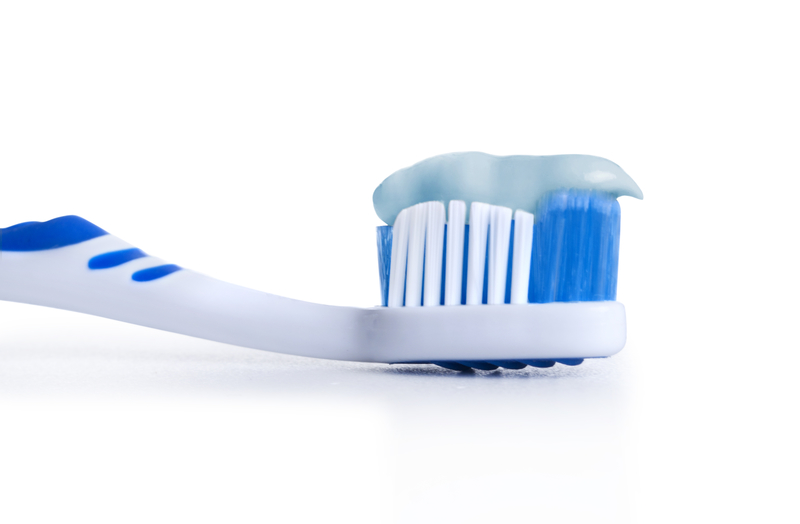
To maintain dental health, brush your teeth regularly with fluoride toothpaste and floss daily. Regular dental check-ups with cleanings every 6 months can prevent and identify most dental health issues. Also, limit sugary snacks and drinks and do not smoke or chew tobacco.
Symptoms
- Red, tender or swollen gums
- Gums that bleed when you brush or floss
- Gums that begin pulling away from your teeth
- Loose permanent teeth
- Changes in the way your top and bottom teeth align with each other
- Unusual sensitivity to hot and cold
- Persistent bad breath or an unusual taste in your mouth
Causes & risk factors
The mouth is teeming with bacteria, but most of them are harmless. Normally, the body's natural defenses and good oral health care, such as daily brushing and flossing, keep these bacteria under control. However, without proper oral hygiene, bacteria can reach levels that might lead to oral infections, such as tooth decay and gum disease.
In addition, certain medications, such as decongestants, antihistamines, painkillers and diuretics, can reduce saliva flow. Saliva washes away food and neutralizes acids produced by bacteria in the mouth, helping to protect you from microbial invasion or overgrowth that might lead to disease. Also, certain diseases, such as diabetes and HIV/AIDS, can lower the body's resistance to infection, making oral health problems more severe.
When to get help
See a dentist for a toothache, bleeding or swollen gums, loose teeth, or persistent bad breath. Have any mouth sore, lump, or white or red patch lasting more than two weeks checked promptly.
Related health news
 Features
Don't Forget About Your Pearly Whites
How to keep your teeth and gums healthy
 Health News
Clean Teeth Love a Healthy Heart
Cardiovascular risk factors and poor dental health may be connected
 Health News
You Can Smile About These Healthy Tips
You can promote your dental health by keeping tartar and plaque at bay
All information on this site is provided “as-is” for informational purposes only and is not a substitute for medical advice or treatment. You should consult with a medical professional if you have any questions about your health.