
Dengue
Dengue (also known as dengue fever) is an infection caused by a virus.
Infectious diseaseOverview
Dengue (also known as dengue fever) is an infection caused by a virus. People are infected when bitten by infected mosquitos. Dengue is not spread from person to person. It is common in warm, wet areas of the world. Outbreaks occur in the rainy season. Dengue is rare in the United States, but has been reported in some southern states.
Symptoms include a high fever, headaches, joint and muscle pain, vomiting, and a rash.
There is no specific treatment for dengue fever. Most people recover within 2 weeks. Until then, drinking lots of fluids, resting and taking non-aspirin fever-reducing medicines might help. People with the more severe forms of dengue usually need to go to the hospital and get IV fluids.
There is no vaccine for preventing dengue. The most effective protective measures are those that avoid mosquito bites. To lower your risk when traveling in dengue-prone countries wear protective clothing and insect repellent.
Symptoms
- High fever
- Headaches
- Joint and muscle pain
- Vomiting
- Rash
Causes & risk factors
Four different dengue viruses are known to cause dengue fever. Dengue fever occurs when a person is bitten by a mosquito that is infected with the virus.
When to get help
See a doctor for high fever, severe headache, and joint or muscle pain after travel to a tropical area. Seek emergency care for severe abdominal pain, persistent vomiting, bleeding gums or nose, or blood in vomit or stool.
Related health news
 Health News
A Vaccine for Dengue Fever, for Some
FDA approves Dengvaxia (CYD-TDV) vaccine for dengue fever
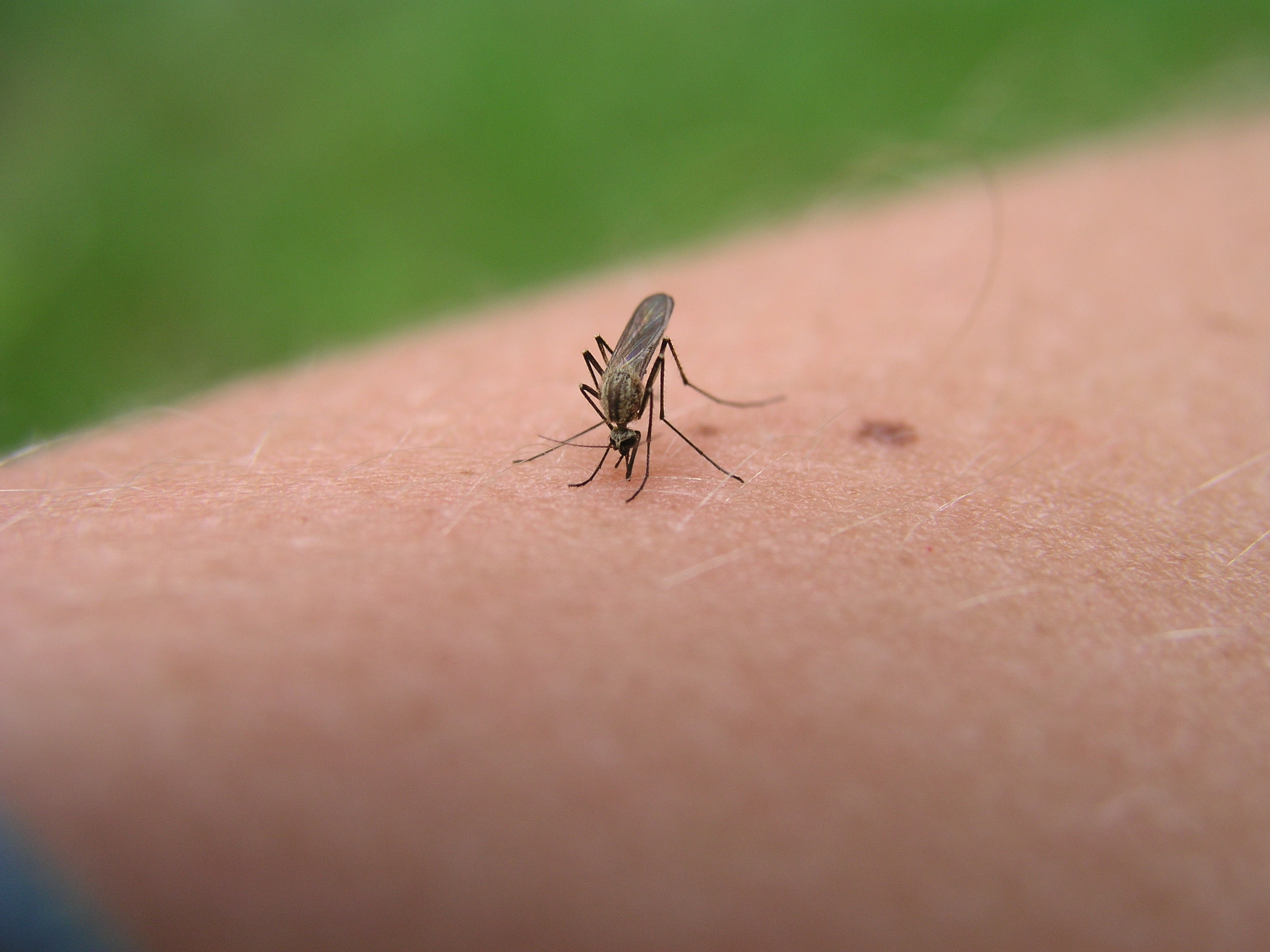 Health News
Dengue in the US
Dengue fever cases in Florida prompt mosquito warnings
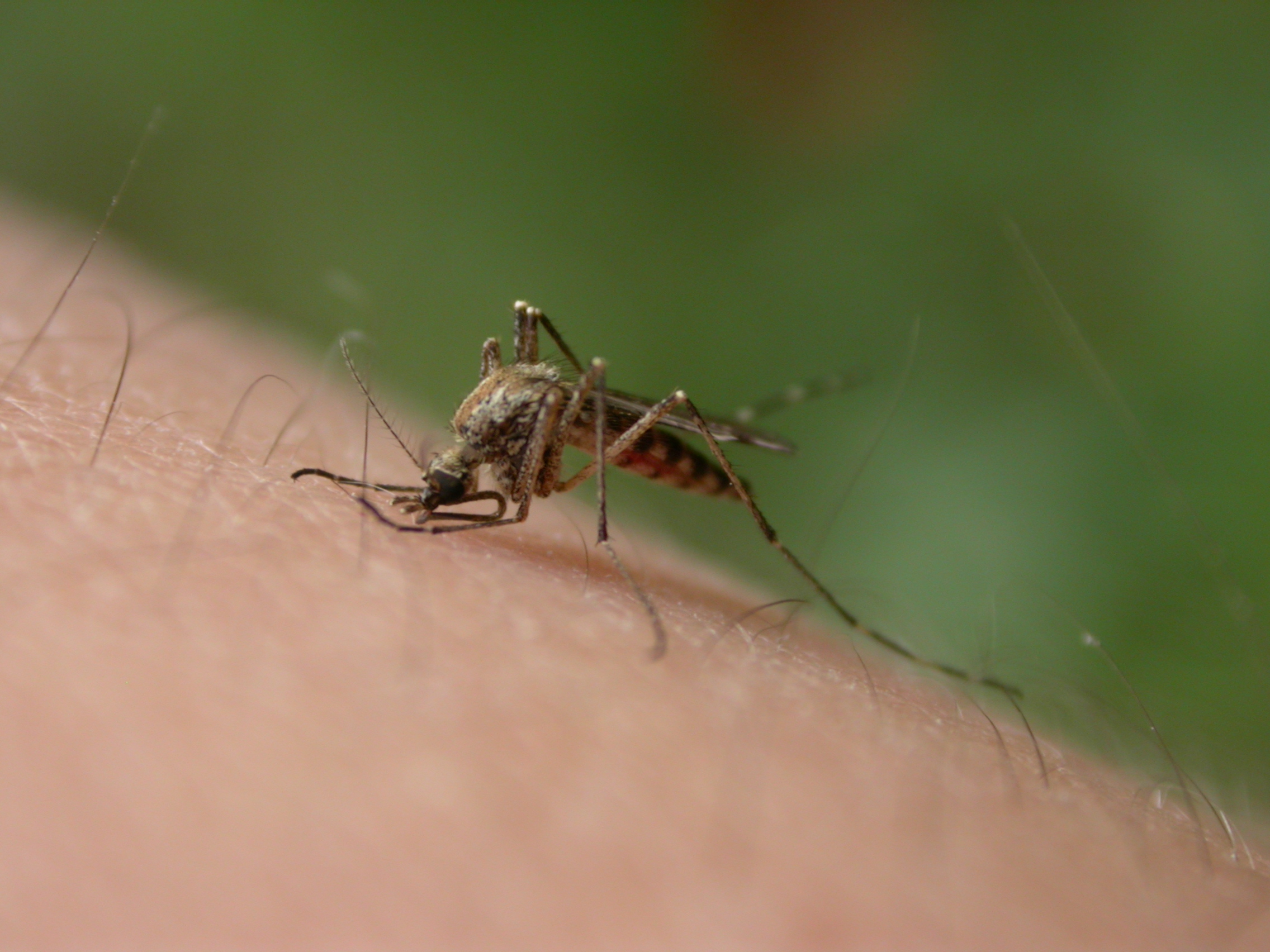 Health News
When Summer Brings West Nile Virus
West Nile virus outbreak in 2012 was the worst since 2003
All information on this site is provided “as-is” for informational purposes only and is not a substitute for medical advice or treatment. You should consult with a medical professional if you have any questions about your health.