
Cystic Fibrosis
Cystic fibrosis (CF) is an inherited disease of the secretory glands, which produce mucus, sweat, and enzymes that aid in digestion.
RespiratoryOverview
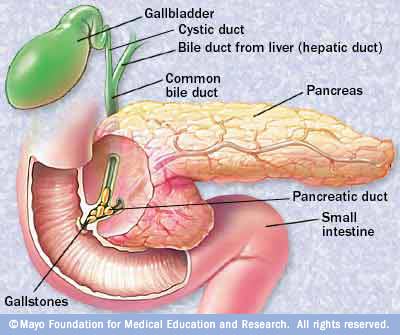
Cystic fibrosis (CF) is an inherited disease of the secretory glands, which produce mucus, sweat, and enzymes that aid in digestion. Normally, these secreted fluids are thin and slippery and they act as lubricants around the body. In people with CF, a defective gene causes the secretions to become thick and sticky. Instead of acting as a lubricant, the secretions clog tubes, ducts, and passageways, especially in the lungs, pancreas, liver, intestines, sinuses, and sex organs. The mucus also makes it easy for bacteria to grow, which can lead to repeated infections, especially in the lungs. When the ducts in the pancreas are clogged, digestive enzymes made in the pancreas cannot reach your small intestine. The enzymes help break down food and, without them, the intestines cannot fully absorb fats and proteins. This can cause vitamin deficiencies and malnutrition because nutrients pass through the body without being used. People with CF may also have bulky stools, intestinal gas, a swollen belly from severe constipation, and pain or discomfort.
CF also causes sweat to become very salty. This can disrupt the balance of minerals in the blood, which may cause health problems such as dehydration (a lack of fluid in your body), increased heart rate, fatigue (tiredness), weakness, decreased blood pressure, heat stroke, and, rarely, death.
CF is a common genetic disease among Caucasians in the United States, occurring in 1 in 2,500 to 3,500 newborns. CF is less common in other ethnic groups, affecting about 1 in 17,000 African Americans and 1 in 31,000 Asian Americans.
CF requires daily care, and there is currently no cure for the disease. However, people with CF are able to attend school and work, and have a better quality of life than in previous decades. Improvements in screening and treatments mean most people with cystic fibrosis now live into their 20s and 30s, and some are living into their 40s and 50s.
Symptoms
- A persistent cough that produces thick (sputum) mucus
- Wheezing
- Breathlessness
- Exercise intolerance
- Repeated lung or sinus infections
- Inflamed nasal passages or a stuffy nose
- Foul-smelling, greasy stools
- Poor weight gain and growth
- Intestinal blockage, particularly in newborns (meconium ileus)
- Severe constipation
- Pancreatitis. This is a condition in which the pancreas become inflamed, which causes pain
- Rectal prolapse. Frequent coughing or problems passing stools may cause rectal tissue from inside you to move out of your rectum
- Liver disease due to inflamed or blocked bile ducts
- Diabetes
- Gallstones
Causes & risk factors
In CF, a defect (mutation) in the CFTR gene changes a protein that regulates the movement of salt in and out of cells. The result is thick, sticky mucus in the respiratory, digestive and reproductive systems, as well as increased salt in sweat.
Many different defects can occur in the gene. The type of gene mutation is associated with the severity of the condition.
Children need to inherit 1 copy of the gene from each parent in order to have the disease. If children inherit only 1 copy, they will not develop CF, but they will be carriers of the mutated gene and possibly pass the gene to their own children.
When to get help
Work closely with a CF care team for ongoing management. Seek prompt care for increasing cough or mucus, fever, severe shortness of breath, or coughing up blood, which can signal a lung infection.
Related health news
 Features
Pancreatitis: Signs, Treatments and More
Pancreatitis explained
 Prescription Drugs
FDA Approves new Pancreatic Enzyme Products
Food digestion and cystic fibrosis patients may benefit
 Health News
Lifestyle Choices and Pancreatitis
Pancreatitis risks linked with alcohol and diet choices
All information on this site is provided “as-is” for informational purposes only and is not a substitute for medical advice or treatment. You should consult with a medical professional if you have any questions about your health.