
Acute Kidney Failure
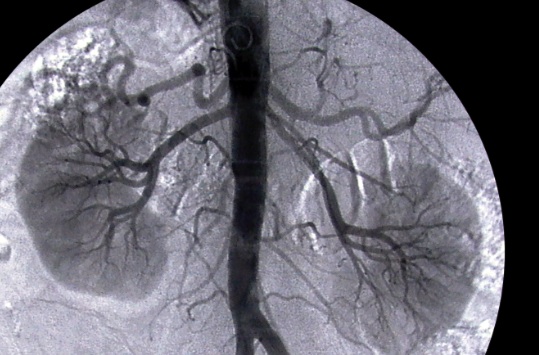
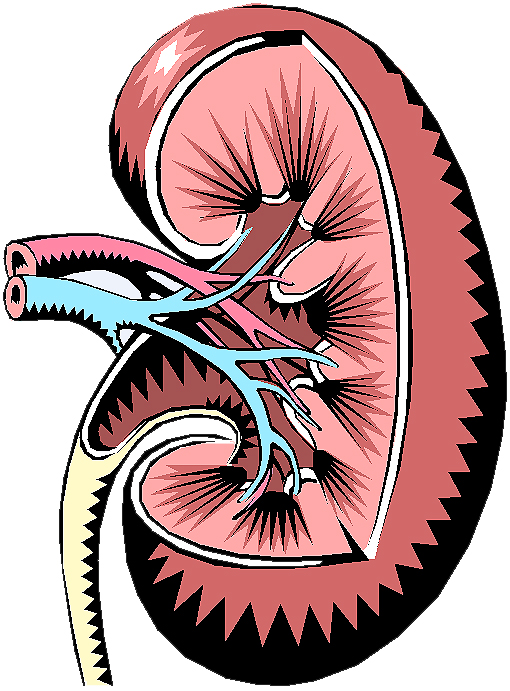
Kidneys are bean-shaped organs, each about the size of a fist.
Kidney healthOverview
Kidneys are bean-shaped organs, each about the size of a fist. The kidneys are located near the middle of the back just below the rib cage and are sophisticated reprocessing machines. Each day, an person's kidneys process about 200 quarts of blood to sift out about 2 quarts of waste products and excess water. These wastes and water become urine which then exits the body through urination. Wastes that are present in our bloodstream, come from the normal breakdown of active tissues, such as muscles and from food sources. The body needs food for energy and internal repairs. Once the body has taken all it needs from the foods we ingest, wastes are sent to the blood. If our kidneys did not remove them, these wastes would then build up in the blood and go on to damage the body.
Acute kidney failure is a rapid loss the kidneys' ability to filter the blood and maintain the body's fluid and electrolyte balance. This can be caused from a variety of factors including an accident or injury, poison or trauma.
Acute kidney failure occurs in about three to seven percent of the 37 million yearly admissions to United States hospitals, or about 1 to 2.6 million people.
It usually occurs in three settings: Loss of blood flow to the kidneys (blood loss, low blood pressure from heart failure, hardening of the renal arteries and blood clots), damage to the kidney tissue (from medications, infections, poisons), and obstruction of urine flow (enlarged prostate, urinary stones, bladder cancers, obstruction of the urethra). It is a medical emergency that can result in chronic kidney failure or death if left untreated.
Symptoms can be sudden, and are dependent on the type of kidney failure occurring. Usually, some combination of headache, fatigue, nausea, and loss of appetite is common. Irregular heartbeat, blood in the urine, seizures, swelling of the feet, and pain in the flanks may also occur.
Diagnosis is made by testing the blood and sometimes ultrasound and CT scan. Treatment is aimed at eliminating the underlying cause of kidney failure, for example, in fluid loss, restoring fluids and electrolytes; in injury, removing the offending drug; in blockage, removing the blockage.
Symptoms
- Symptoms of acute kidney failure can hit suddenly and should not be ignored. However, some symptoms of acute kidney failure can be mistaken for other milder conditions such as the common flu, so if you begin to experience symptoms, make sure to visit your doctor so you can get the correct diagnosis. If you know you have received recent trauma such as a hard hit directly to the kidneys and are experiencing symptoms, seek medical help immediately.
- Symptoms generally include a combination of headache, fatigue, nausea and loss of appetite. Pain in the flanks, irregular heartbeat, blood in the urine, seizures, swelling of the feet and leg cramps are also possible. These problems may be caused by waste product build up within the blood, a condition called uremia.
- The kidneys also make hormones and balance minerals found in blood. When the kidneys stop working, most people develop conditions that affect the blood, bones, nerves and skin. Therefore, in addition to the above symptoms, other signs include itching, sleep problems, restless legs, weak bones, joint problems and depression.
- If you are experiencing symptoms that are associated with acute kidney failure, talk to your doctor right away.
Causes & risk factors
The cause of acute kidney failure comes from acute kidney injury or AKI. This usually occurs when direct injury or impact affects the body's kidneys. Losing a lot of blood can cause sudden kidney failure as well as certain drugs or poisons. These cause sudden drops in kidney function.
The word acute refers to conditions that happen suddenly and last a short time. Acute is the opposite of chronic which refers to long lasting conditions. Acute kidney injury is the sudden and temporary loss of kidney function. Typically, acute kidney failure occurs in three settings: loss of blood flow to the kidneys (from blood loss, low blood pressure from heart failure or hardening of the renal arteries and blood clots), damage to the kidney tissue (from medications, infections or poisons), and obstruction of urine flow (from enlarged prostate, urinary stones, bladder cancers or an obstruction of the urethra).
When acute kidney failure occurs, the kidneys are suddenly unable to filter the blood of unnecessary wastes and therefore becomes unable to maintain the body's fluid and electrolyte balance. A build up of wastes occurs as the kidneys are unable to push them out into the bladder to be disposed of through urination.
When to get help
Seek medical care right away if you make little or no urine, have swelling in your legs or face, severe fatigue, confusion, or shortness of breath. Acute kidney failure can develop quickly and is a medical emergency.
Related health news
 Health News
Why Care About Kidneys?
Kidneys are key to keeping blood healthy and screening can help assure they are in working order
 Features
The Disease of Kings and Anybody Else
The ins and outs of gout
 Health News
Not Looking Good for Lupus and Kidney Patients
Increased rates of end-stage renal disease caused by lupus
All information on this site is provided “as-is” for informational purposes only and is not a substitute for medical advice or treatment. You should consult with a medical professional if you have any questions about your health.