
ACL injury
An anterior cruciate ligament (ACL) injury is one of the most common knee injuries.
MusculoskeletalOverview
An anterior cruciate ligament (ACL) injury is one of the most common knee injuries. An ACL injury is usually the over-stretching or tearing of the ACL. An ACL tear may be partial or complete.
Four main ligaments (strong bands of tissue) connect the two bones that form the knee joint, the tibia (the shin bone) and the femur (the thigh bone). The ACL is one of these ligaments and is located in the middle of the knee. It prevents the shin bone from sliding out in front of the thigh bone.
ACL injuries most commonly occur during sports that involve sudden stops, jumping or changes in direction, such as basketball, soccer, football, tennis, downhill skiing, volleyball, and gymnastics. Many people hear or feel a "pop" in the knee when an ACL injury occurs. Your knee may swell, feel unstable, and become too painful to bear weight.
A proper training program may help reduce the risk of an ACL injury. Women are more likely to have an ACL tear than men.
Depending on the severity of your ACL injury, treatment may include rest and rehabilitation exercises to help you regain strength and stability. You may also require surgery to replace the torn ligament and regain full function of your knee. The decision to have surgery will depend on several factors, such as the severity of your injury and your activity level.
Symptoms
- a "popping" sound or sensation at the time of injury
- knee swelling within 6 hours of injury
- severe pain and inability to continue activity
- loss of range of motion
- a feeling of instability or "giving way" with weight bearing
- a loud "pop" or a "popping" sensation in the knee
- swelling that begins within a few hours
- loss of full range of motion
- tenderness along the joint line
- discomfort while walking
Causes & risk factors
Most ACL injuries happen during sports and fitness activities that can put stress on the knee. An injury may occur when you:
- suddenly slowing down and changing direction
- pivoting with your foot firmly planted
- landing from a jump incorrectly
- stopping suddenly
- receiving a direct blow to the knee or collision, such as a football tackle
When to get help
See a doctor promptly if your knee swells rapidly after an injury, gives way under your weight, or you felt a 'pop' and cannot bear weight. Get urgent care for severe pain, an obviously deformed joint, or numbness or coldness in the leg or foot.
Related health news
 Natural
Knee Injuries Lead to ACL Tears and Osteoporosis
Torn ligaments occur more often in women than men
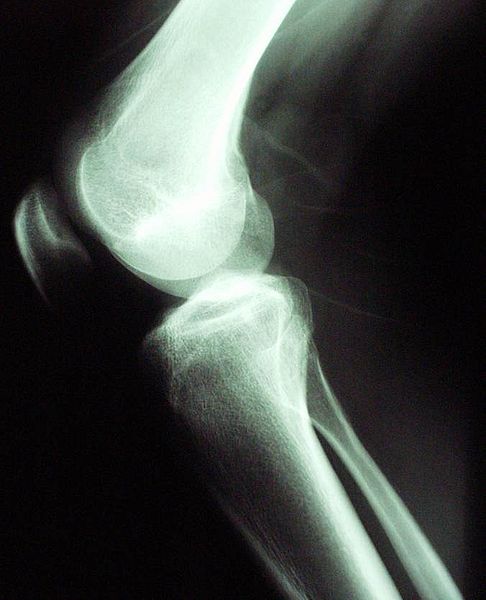 Health News
Kneed Some Rehab
NFC Championship game shines light on knee injuries
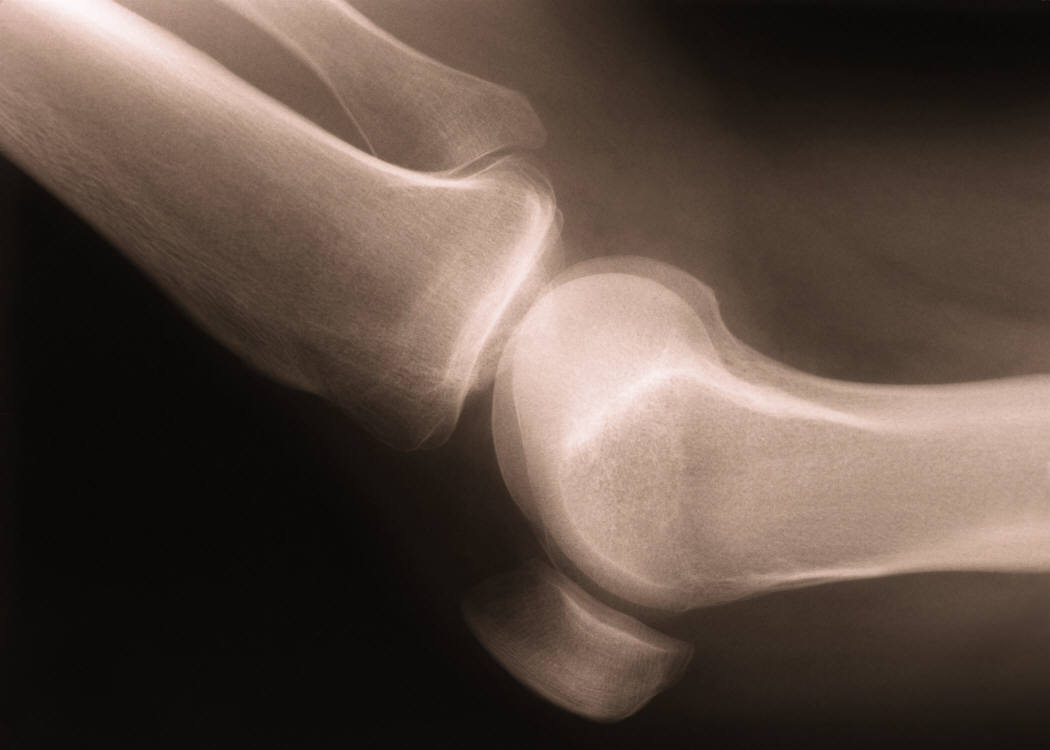 Health News
Osteoarthritis After ACL Surgery
Osteoarthritis risk not higher in patients who underwent single bundle ACL reconstruction surgery
All information on this site is provided “as-is” for informational purposes only and is not a substitute for medical advice or treatment. You should consult with a medical professional if you have any questions about your health.