
Acid Reflux
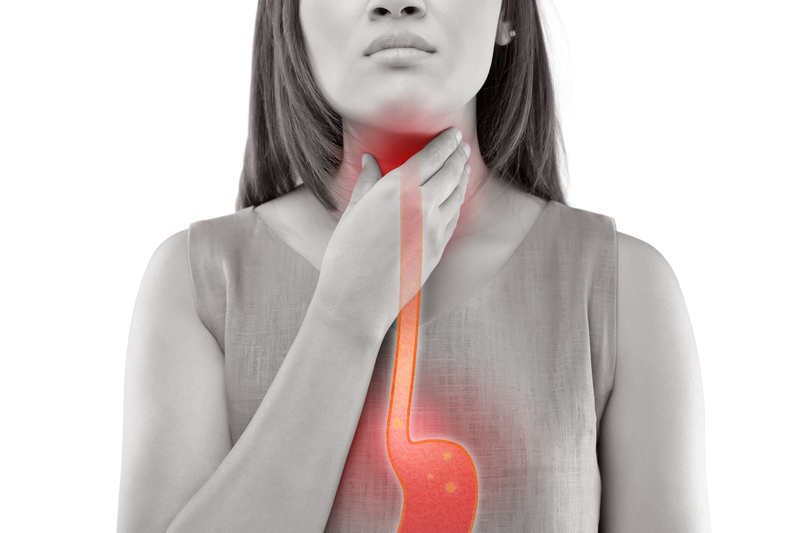
Acid reflux, or gastroesophageal reflux (GER), is a condition in which your stomach contents come back up into your esophagus, which is the tube that connects your mouth to your stomach.
DigestiveOverview
Acid reflux, or gastroesophageal reflux (GER), is a condition in which your stomach contents come back up into your esophagus, which is the tube that connects your mouth to your stomach.
Acid reflux can happen when the muscle at the end of the esophagus does not close properly. When this happens, stomach acid can travel back into the esophagus and irritate the lining of the esophagus, causing a burning feeling in your chest or throat. Acid reflux may also cause a dry cough, asthma-like symptoms, and trouble swallowing. Experiencing acid reflux occasionally is common, but if you experience these symptoms more than twice a week, you should consult your health care provider, since it may cause serious damage to your esophagus. Gastroesophageal reflux disease (GERD) is a more serious, advanced condition of acid reflux.
Adults and children can experience acid reflux. You are more likely to experience acid reflux if you:
- Are overweight or obese
- A pregnant woman
- Take certain medicines, including calcium channel blockers such as nifedipine (Adalat, Nifedical, Procardia), amlodipine (Novasc), verapamil (Calan, Isoptin, Covera, Verelan), and diltiazem (Cardizem), antihistamines such as diphenhydramine (Benadryl), pain relievers such as aspirin and ibuprofen (Advil, Motrin), sedatives such as diazepam (Valium) and temazepam (Restoril), and antidepressants such as amitriptyline, desipramine (Norpramin), imipramine (Tofranil, Surmontil), doxepin (Silenor), fluoxetine (Prozac, Sarafem, Symbyax), sertraline (Zoloft), and venlafaxine (Effexor XR)
- Smoke or inhale secondhand smoke
- Eat spicy or acidic foods, including citrus fruit, alcohol, and coffee
Most acid reflux can be managed with lifestyle modifications such as avoiding foods that cause acid reflux, stopping smoking, and maintaining a healthy weight. In some cases, surgery or medicines may be required.
Symptoms
- Stomach pain (pain in the upper abdomen)
- Non-burning chest pain
- Difficulty or painful swallowing or food getting stuck in your throat
- Persistent hoarseness
- Persistent sore throat
- Chronic cough, new onset asthma, or asthma only at night
- Sense of a lump in the throat
- Worsening dental disease
- Recurrent lung infections (called pneumonia)
- Chronic sinus infections
- Waking up with a choking sensation
Causes & risk factors
The esophagus and stomach are separated by a muscle called the lower esophageal sphincter (LES). In acid reflux, the LES relaxes at the wrong time, causing food and acid to travel backwards into the esophagus through the lower esophageal sphincter (LES). It is not clear why the LES sometimes fails to close properly, but when it does not close, it allows acids from the stomach cavity to enter the esophagus and damage its tissue lining.
Conditions like hiatal hernia may contribute to the development of acid reflux. A hiatal hernia happens when the upper part of the stomach and the LES move above the diaphragm, which is the muscle separating the stomach from the chest. Normally, the diaphragm helps the LES keep acid from rising up into the esophagus, but, with a hiatal hernia, acid reflux can happen more easily. This hernia can occur in people of any age, although it is normal in otherwise healthy individuals over the age of 50.
Overweight and obesity, pregnancy, and smoking all contribute to acid reflux. Certain foods also contribute to or worsen acid reflux symptoms. These foods include:
- citrus fruits
- chocolate
- caffeinated drinks
- alcohol
- fatty and fried foods
- garlic
- onions
- mint flavoring
- spicy foods
- tomato-based foods
- coffee
When to get help
See your doctor if heartburn happens more than twice a week, over-the-counter antacids are not enough, or you have trouble swallowing, unexplained weight loss, or black or bloody stools. Seek emergency care for chest pain with shortness of breath, sweating, or pain spreading to the arm or jaw, which can signal a heart problem.
Common medications
Related health news
 Health News
All About Acid Reflux
Everything you need to know about acid reflux
 Features
Deciphering Your Diet and Acid Reflux
How what you eat and how you eat affect acid reflux
 Features
Does Your Baby Have Acid Reflux?
Identifying acid reflux in infants
All information on this site is provided “as-is” for informational purposes only and is not a substitute for medical advice or treatment. You should consult with a medical professional if you have any questions about your health.